The SUV Loophole Is Hurting America
How light-truck classification lets larger vehicles dodge stricter fuel-economy rules, and what we can do about it.
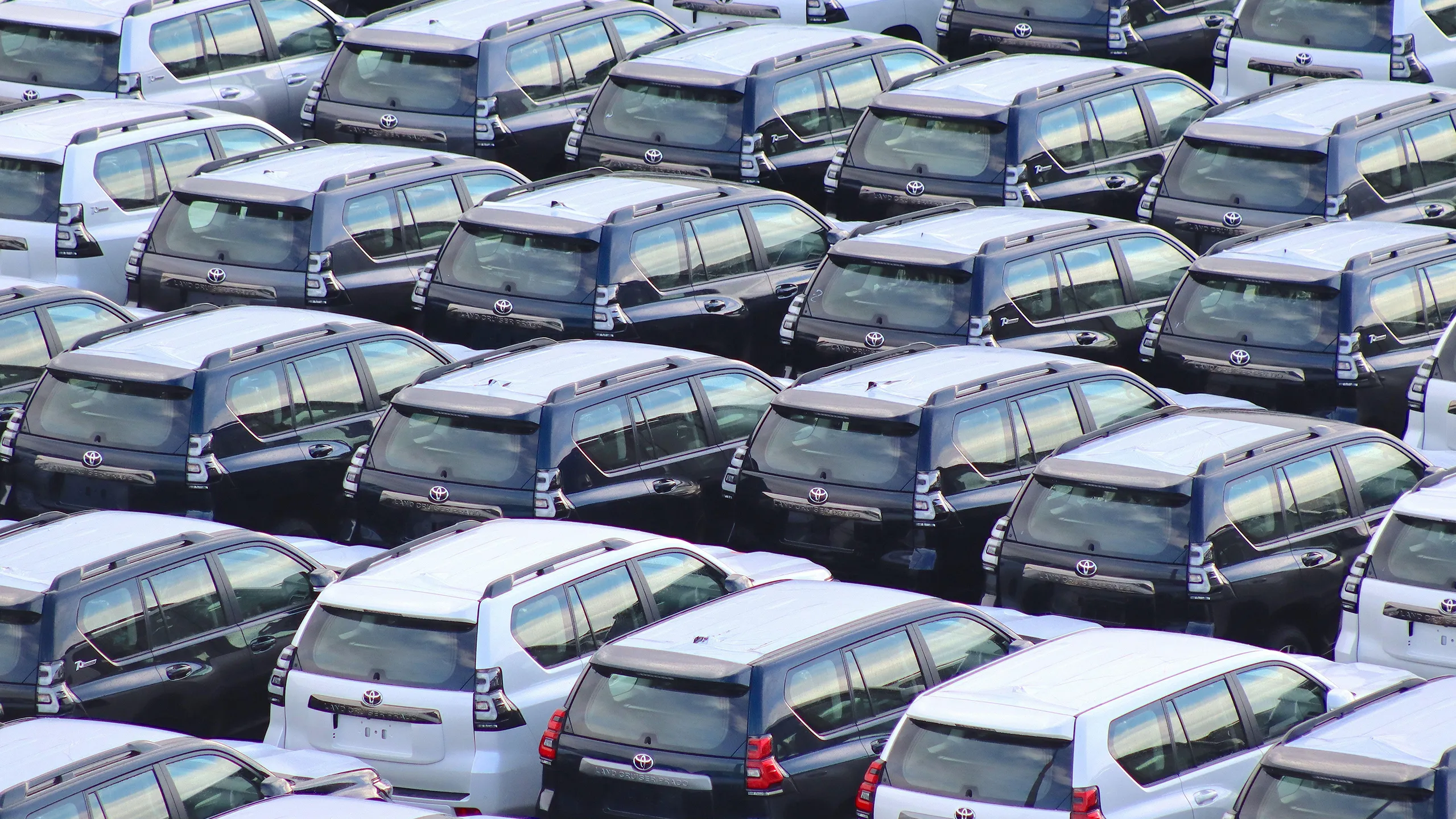
What is the CAFE Loophole?
Regulatory definitions treat many SUVs as "light trucks," which subjects them to weaker fuel-economy standards. Automakers respond by producing larger vehicles that meet looser targets, increasing emissions and shifting the market away from smaller, safer, and more efficient sedans.
Four Reasons to Act
Environmental Harm
SUVs are a major driver of recent increases in transportation emissions.
Weak standards for light trucks let manufacturers prioritize larger vehicles, undermining fuel-efficiency gains.
Life-cycle emissions — manufacturing through operation — make SUVs disproportionately harmful compared with smaller cars.
Closing the classification gap would reduce production incentives for high-emission vehicles.
Deregulation & Policy
Recent federal actions have reduced penalties and rolled back stricter CAFE enforcement, removing incentives for manufacturers to improve fleet efficiency.
Changes such as penalty reductions and litigation against state EV mandates weaken long-term policy stability.
This deregulation risks stalling American automakers' transition to efficient and electrified vehicles.
Restoring consistent standards is essential to keep the market competitive and green.
Safety Dangers
Larger SUVs increase pedestrian fatality risk and worsen crash outcomes due to higher hoods and reduced driver sight lines.
The market shift toward light trucks creates aggregate safety harms, particularly for children and vulnerable road users.
Policy can address these risks through crash-compatibility, bumper-height standards, and classification reforms.
Permanent regulatory fixes would be more robust than oscillating administration priorities.
Economic Distortion
The SUV-driven market shift raises vehicle prices and material demand, reducing affordability and economic efficiency.
Automakers are incentivized to produce larger, higher-margin vehicles rather than affordable sedans.
Adjusting standards or creating a new category would rebalance production toward smaller, cheaper cars and ease supply pressures.
Closing the loophole supports consumer choice and domestic industry innovation.
By the Numbers
Administration actions
The essay argues that the rollback is not just about prices or convenience. It pushes manufacturers toward larger, less safe vehicles and strips away the rules that favored efficiency, smaller cars, and cleaner production.
Rollback of fuel economy pressure
The administration reset CAFE standards and weakened the enforcement structure, which removes pressure on automakers to build smaller, more efficient cars.
SUVs and light trucks become the easy path
Looser standards make larger vehicles the profitable default, reinforcing the loophole that lets SUVs and light trucks avoid stricter rules.
Safety is pushed aside
The essay argues that larger front ends, higher hoods, and worse visibility make SUVs more dangerous for pedestrians and other drivers.
Innovation and affordability suffer
By removing penalties and compliance incentives, the policy shift hurts EV progress, narrows consumer choice, and weakens the market for sedans and coupes.
Timeline
These events show how the policy shift moved from deregulation to legal attacks on state standards and finally to broader support for larger, less efficient vehicles.
-
Federal CAFE targets rolled back
The administration announced a reset of Corporate Average Fuel Economy (CAFE) targets, lowering regulatory pressure on manufacturers and reopening incentives to produce larger, less-efficient vehicles.
-
Working Families Tax Cut Act — penalty reductions
Legislation cut enforcement penalties for CAFE noncompliance (effectively reducing fines to near-zero), removing a key market incentive that previously encouraged automakers to improve fleet fuel economy.
-
Lawsuits against state EV mandates
The administration and allied parties challenged state-level EV mandates (e.g., California), slowing state-led electrification efforts and creating legal uncertainty for manufacturers and regulators.
-
"Freedom Means Affordable Cars" initiative
A federal initiative promoting affordability and deregulation framed regulatory rollback as consumer relief; it correlated with manufacturers reintroducing larger engines and lower-efficiency models.
-
Market shift: larger vehicles & higher emissions
OEMs increased production of SUVs and light trucks, raising fleetwide emissions, increasing pedestrian fatality risks, and shifting market incentives away from sedans and smaller vehicles (estimated 700M tons lifecycle emissions from SUVs in the period referenced).
Our Solution
Problem
The current classification lets SUVs avoid stricter standards, encouraging larger, less efficient vehicle fleets.
Proposed Fix
Ask NHTSA/EPA to reclassify SUVs or create a dedicated emissions category so standards align with vehicle risk and lifecycle emissions.
Take Action
Type your representative's email, then open your email app with a subject and message already filled in.
Type your representative's email, then open your email app with a subject and message already filled in.
Dear Representative,

I am writing to urge you to support closing the SUV and light truck emissions loophole by creating a separate SUV standard or tightening the current classification.

As my research argues, SUVs produce more pollution, contribute to the growth of emissions, and weaken fuel economy goals. They also increase the risk of serious pedestrian injuries and push the market toward larger, less efficient vehicles.

You can review the project website here: https://example.com

Please take permanent action to make vehicle emissions rules fairer, safer, and more environmentally responsible.

Sincerely,
[Your name]